

Future of IOT in Singapore: Do people trust it entirely? Are we ready for a fully digitalized world?
Written by Reese Ng
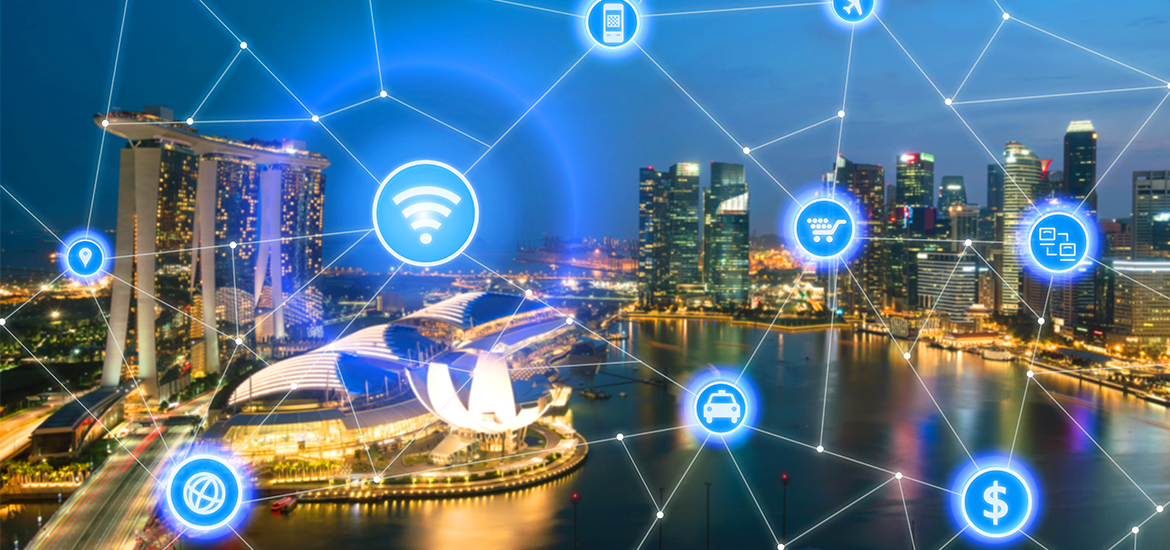
What is the Internet of Things (IoT)
According to TechTarget, the Internet of Things (IoT) connects everyday devices to the internet, enabling data exchange and automation. IoT works by gathering data from sensors embedded in IoT devices, which is then transmitted through an IoT gateway for analysis. Pros: increased efficiency, real-time data insights, and cost savings. Cons include privacy concerns, security risks from unprotected devices, and high initial implementation costs. As IOT grows, balancing benefits and risks will be key to its success.
Negative consequences of IoT: Faulty Smart Locks
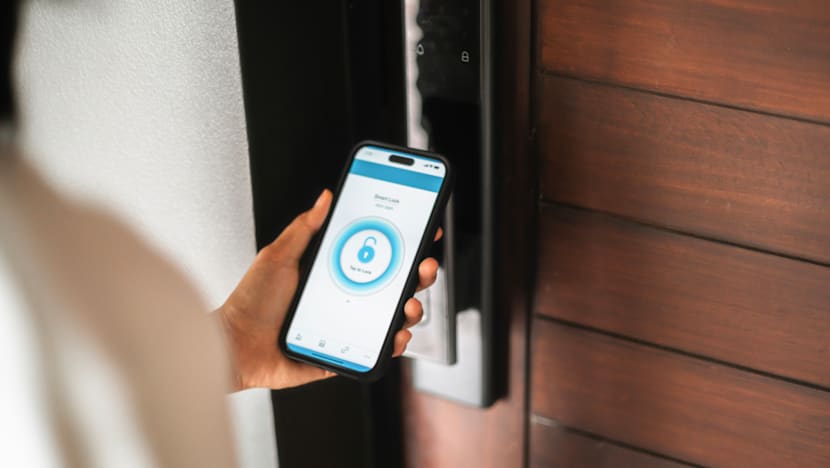
While IoT provides countless benefits, it can also have negative consequences. A 2025 article by Channel News Asia highlighted how faulty smart locks sold on Shopee and Lazada posed serious security risks. These locks, marketed as “smart ” devices, were found to be insecure and easily hackable, allowing unauthorized access to homes. Some locks failed to work correctly, leaving homes vulnerable to break-ins. This case demonstrates the security risks of poor quality control that can arise with low-cost IoT devices.
Consumers may feel more confident about their security with IoT devices, but incidents like these emphasize the need for stronger quality control and secure IoT devices. These security vulnerabilities can undermine the trust consumers place in IoT devices and harm the overall effectiveness of smart technologies.
Personal Reflection: embracing the IoT future
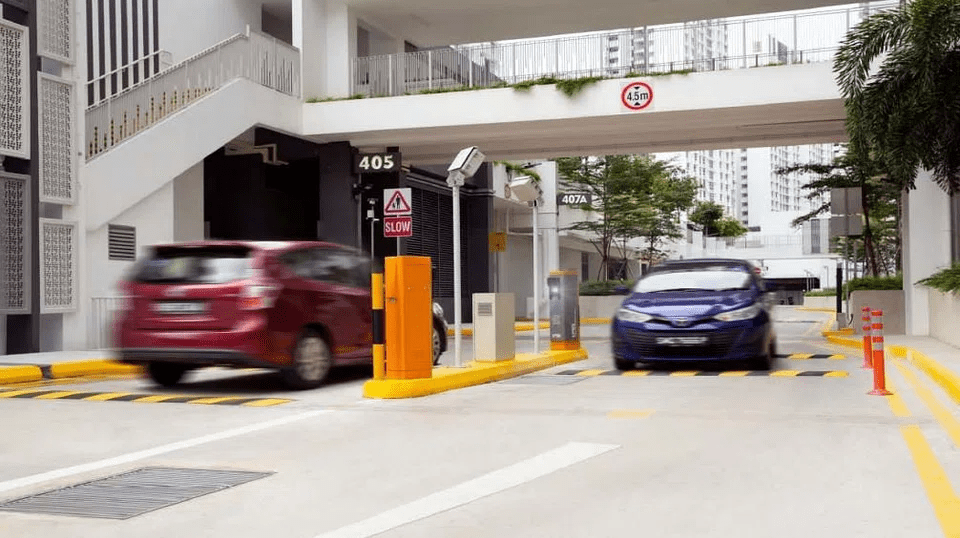
Personally, I am excited about the potential of IoT to transform cities and improve daily life, like in Singapore. The smart mobility initiatives, where parking in Housing development board(HDB) houses in Singapore are implementing smart parking in where there is gantryless barriers, cameras register vehicle plates to mark start and end of parking sessions through the app called ‘Parking@HDB‘, implementing a new generation of smart parking and, and are a great demonstration of how IoT can enhance public infrastructure. However, I also have concerns about the privacy risks that come with a more connected world. Will we be able to maintain control over our personal data? IoT devices continue to proliferate.
In the future, I believe IoT will continue to evolve, offering even more benefits but also introducing new challenges. Smart cities will likely become more common, but I hope a strong emphasis on cybersecurity to ensure that the convenience IoT provides does not come at the cost of threats, such as Government efforts of ‘protecting your IoT devices‘.
 MKTG1427 Digital Marketing @ RMIT
Leave a comment